Paper Mill Saves $1.36M Annually by Optimizing Refining with Mt. Fuji
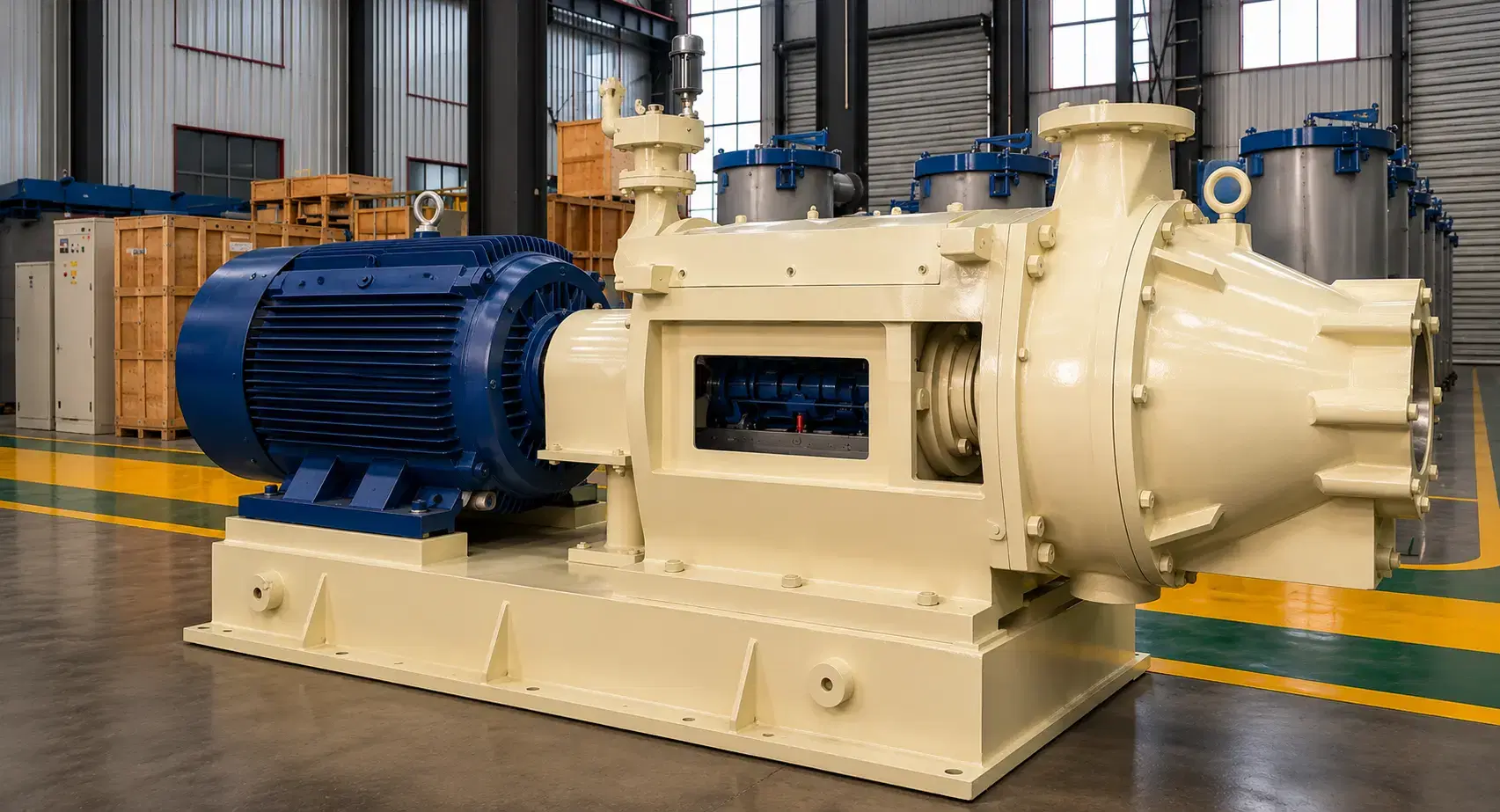
Haber deployed Mt. Fuji®, its predictive industrial AI platform, to optimize paper refining operations at a specialty paper mill. By continuously predicting freeness and prescribing optimal refining conditions, Mt. Fuji reduced specific energy consumption, stabilized fiber quality, extended tackle plate life, and lowered raw material costs while improving machine runnability.
The Challenge
Paper refining is one of the most energy-intensive operations in paper manufacturing and has a direct impact on fiber quality, paper strength, machine runnability, and raw material consumption.
Conventional refining is typically controlled using fixed operating practices and delayed laboratory feedback, often resulting in:
- High specific energy consumption (180–200 kWh/t)
- Inconsistent freeness levels
- Fiber shortening affecting paper strength
- Accelerated tackle plate wear
- Lower filler retention and higher raw material costs
Without predictive process intelligence, operators frequently over-refine pulp to maintain quality, increasing energy consumption while reducing fiber performance.
Haber's Approach
Mt. Fuji continuously ingested live process data including fiber morphology, freeness, specific edge load (SEL), refining energy, stock consistency, flow rate, and operating pressures.
Machine learning models established relationships between fiber properties, refining conditions, and final freeness, enabling accurate prediction of fiber quality before laboratory measurements.
Mt. Fuji generated real-time refining recommendations to maintain target freeness while minimizing energy consumption and reducing process variability.
Self-learning AI models continuously adapted to changing furnish characteristics, grade transitions, seasonal variation, and process drift, ensuring sustained optimization across production campaigns.
Evidence-Backed Results
| Metric | Before | After | Change |
|---|---|---|---|
| Specific refining energy | 190 kWh/t | 181 kWh/t | 5% reduction |
| First Pass Retention | 71% | 75% | 5.6% increase |
Business Impact
Mt. Fuji enabled the mill to shift from reactive refining control to predictive process optimization, improving energy efficiency while maintaining consistent fiber quality.
For a 350,000 TPY reference mill, the deployment generated an estimated $1.36 million in annual run-rate impact, driven by:
- $878K/year through lower reject generation
- $300K/year through improved sheet ash retention and reduced raw material usage
- $159K/year through lower refining energy consumption
- $20K/year through longer tackle plate life
In addition to measurable cost savings, the mill achieved better paper strength, improved runnability, and more stable refining performance.
Conclusion
Mt. Fuji transformed refining operations from a manually controlled process into an intelligent AI-driven optimization system. By continuously predicting freeness and prescribing optimal refining conditions, the platform reduced energy consumption, stabilized fiber quality, extended equipment life, and unlocked over $1.3 million in annual value for the mill.