
Haber
PulpMt. FujiAugust 6, 2026

BKP Mill Stabilizes Causticizing Efficiency and Improves White Liquor Quality Using Mt. Fuji AI
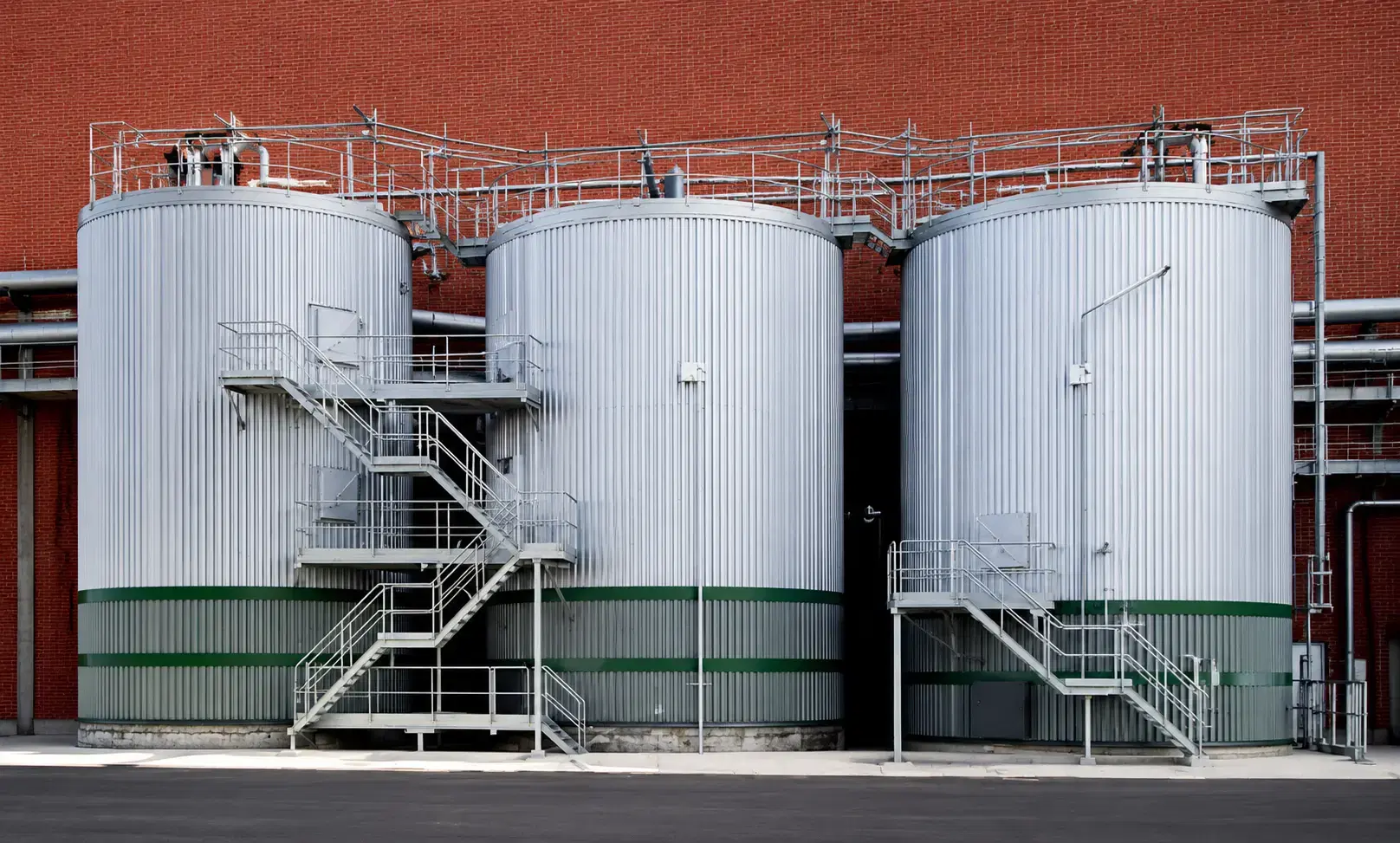
BKP Mill Stabilizes Causticizing Efficiency and Improves White Liquor Quality Using Mt. Fuji AI
Share On

Haber deployed Mt. Fuji®, its predictive industrial AI platform, to optimize the causticizing process at a kraft pulp mill. By continuously predicting causticizing efficiency and prescribing optimal operating conditions across the slaker, causticizers, and clarifiers, Mt. Fuji stabilized white liquor quality, reduced chemical consumption, and improved downstream digester performance.

75%
Causticizing efficiency variation
~1%
Digester Yield
$2.0M/year
Annual run-rate impact

The Challenge

Causticizing is a critical step in the kraft recovery cycle, directly influencing white liquor quality, digester stability, pulp yield, and chemical consumption. Variability across the slaker, causticizers, and clarifiers often leads to inconsistent causticizing efficiency, forcing mills to increase lime and caustic usage to maintain cooking performance.

The mill experienced:

  • Wide efficiency fluctuations (76–84%)
  • Inconsistent white liquor strength
  • Higher lime and caustic consumption
  • Variable digester yield and Kappa number
  • Increased bleach chemical demand downstream

Traditional control strategies relied on manual adjustments and delayed laboratory feedback, making the process reactive rather than predictive.

Haber's Approach

1
Real-Time Process Monitoring

Mt. Fuji continuously collected live process data including green liquor density, slaking temperature, causticizer retention time, white liquor density, slaker retention time, and clarifier performance.

2
Process Intelligence

Machine learning models identified the critical relationships between slaker operation, lime chemistry, liquor properties, and downstream causticizing efficiency.

3
Predictive Process Optimization

Mt. Fuji predicted efficiency drift before it occurred and prescribed the optimal operating conditions to stabilize white liquor strength while minimizing process variability.

4
Closed-Loop Learning

Self-learning AI models continuously adapted to feed variability, lime quality, production changes, and seasonal operating conditions to sustain optimization over time.

Evidence-Backed Results

MetricBeforeAfterChange
Causticizing efficiency76–84%80–81%Stable operating window
Operating variation8 percentage points~2 percentage points75% reduction

Business Impact

Mt. Fuji transformed causticizing from a manually controlled operation into a predictive optimization system that continuously stabilized white liquor quality and improved chemical recovery performance.

For a 350,000 ADT/year kraft pulp mill, the deployment generated an estimated $2.0 million in annual run-rate value

Conclusion

Mt. Fuji enabled the mill to shift from reactive causticizing control to predictive process optimization. By continuously stabilizing causticizing efficiency and white liquor quality, the platform reduced chemical consumption, improved digester performance, and generated approximately $2 million in annual economic value.
Frequently Asked Questions

Why is causticizing important in kraft pulping?
+
Causticizing converts green liquor into white liquor, the primary cooking chemical used in kraft digesters. Stable causticizing efficiency is essential for maintaining digester performance, pulp yield, and downstream bleachability.
How does Mt. Fuji optimize causticizing?
+
Mt. Fuji continuously predicts causticizing efficiency using live process data and recommends optimal operating conditions across the slaker, causticizers, and clarifiers to maintain a stable white liquor composition.
Which process variables influence causticizing efficiency?
+
The AI models evaluate green liquor density, slaking temperature, retention time, white liquor density, lime addition, clarifier behavior, and other critical process variables.
What benefits does predictive causticizing control provide?
+
Predictive optimization improves white liquor stability, reduces lime and caustic consumption, increases digester yield, lowers bleaching chemical demand, and improves overall kraft recovery efficiency.

Read More Case Studies

Specialty Paper Mill Reduces Refining Energy by 5% While Improving Freeness Stability Using Mt. Fuji AI

Specialty Paper Mill Reduces Refining Energy by 5% While Improving Freeness Stability Using Mt. Fuji AI

READ MORE
AI-Driven Cooling Tower Optimization for a Multi-Specialty Hospital

AI-Driven Cooling Tower Optimization for a Multi-Specialty Hospital

READ MORE
How Do We Optimize Foam Control for Paper Machines?

How Do We Optimize Foam Control for Paper Machines?

READ MORE
How Can Surface Sizing Be Optimized While Also Being Cost-Effective?

How Can Surface Sizing Be Optimized While Also Being Cost-Effective?

READ MORE
Improving Efficiency of Solid-Liquid Separation through AI

Improving Efficiency of Solid-Liquid Separation through AI

READ MORE
Paper Mill Stabilizes Cobb Values and Reduces Internal Sizing Costs Using eLIXA® AI Platform

Paper Mill Stabilizes Cobb Values and Reduces Internal Sizing Costs Using eLIXA® AI Platform

READ MORE
Specialty Paper Mill Improves First-Pass Retention and Reduces Raw Material Consumption Using Mt. Fuji AI

Specialty Paper Mill Improves First-Pass Retention and Reduces Raw Material Consumption Using Mt. Fuji AI

READ MORE
Specialty Paper Mill Reduces Wet Tensile Variability by 73% and Cuts WSR Consumption by 15% Using Mt. Fuji AI

Specialty Paper Mill Reduces Wet Tensile Variability by 73% and Cuts WSR Consumption by 15% Using Mt. Fuji AI

READ MORE
Can eLIXA® optimize paper strengthening while driving down the production cost?

Can eLIXA® optimize paper strengthening while driving down the production cost?

READ MORE
AI for effective control of scale deposition on liquid ring vacuum pumps

AI for effective control of scale deposition on liquid ring vacuum pumps

READ MORE
Implementing AI to improve foam control in pulp mill washers

Implementing AI to improve foam control in pulp mill washers

READ MORE
Paper Mill Increases Order Fulfillment by 7.7% While Reducing Trim Loss by 12.3% Using Kaiznn AI

Paper Mill Increases Order Fulfillment by 7.7% While Reducing Trim Loss by 12.3% Using Kaiznn AI

READ MORE
Paper Mill Reduces Headbox Bacterial Count by 69% Using eLIXA® AI-Powered Microbial Control

Paper Mill Reduces Headbox Bacterial Count by 69% Using eLIXA® AI-Powered Microbial Control

READ MORE
BCTMP Pulp Mill Reduces Brightness Deviation by 80% and Cuts Bleach Chemical Costs by 10% Using Mt. Fuji

BCTMP Pulp Mill Reduces Brightness Deviation by 80% and Cuts Bleach Chemical Costs by 10% Using Mt. Fuji

READ MORE